
Fuel Prices in North Dakota: What You Pay at the Pump
North Dakota sits in an unusual spot on the American fuel map. It is one of the country's biggest crude oil producers, yet drivers here still pay close to the national average at the pump. As of the latest snapshot, regular gasoline averages $3.678 per gallon in North Dakota, with mid-grade at $4.038, premium at $4.45, and diesel also at $4.45 per gallon. By comparison, the US national average for regular is $3.867 — so North Dakotans are actually paying a few cents below the typical American driver.
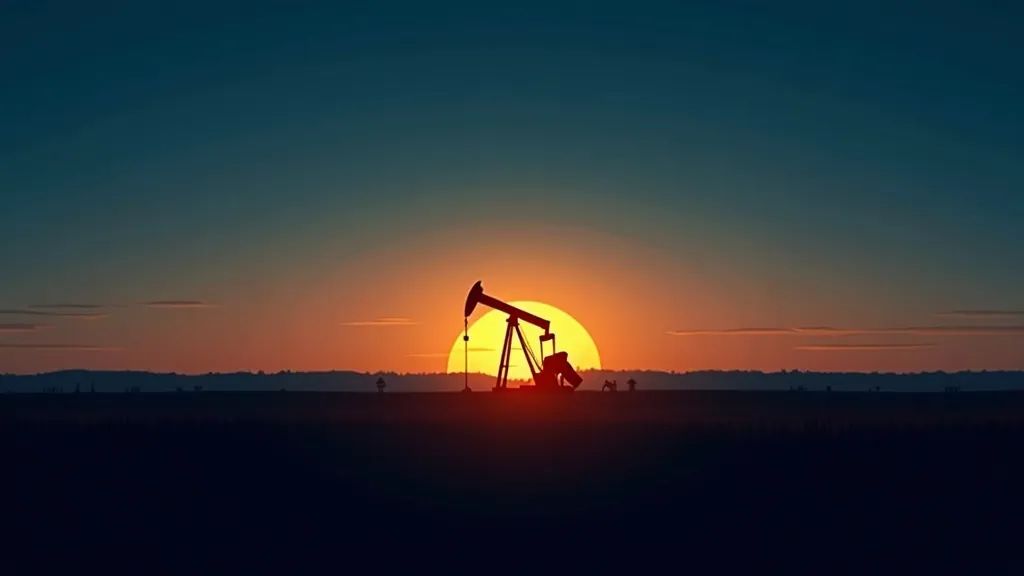
Why North Dakota's Prices Land Where They Do
It might seem odd that an oil-rich state isn't dramatically cheaper. The Bakken formation in western North Dakota pumps out hundreds of thousands of barrels of crude every day, making the state a major exporter of oil. But crude oil is a global commodity — it gets shipped, refined, and sold at world prices regardless of where it comes out of the ground. North Dakota has very limited in-state refining capacity, so most of its crude leaves the state, while finished gasoline often has to be trucked or piped back in. That logistics reality keeps local pump prices from dropping to bargain-basement levels despite the abundance of raw oil nearby.
Taxes are the next big factor. North Dakota levies a state motor fuel tax of 23 cents per gallon on gasoline and diesel, which is on the lower end among US states. On top of that sits the federal excise tax of 18.4 cents per gallon for gasoline (24.4 cents for diesel). These per-gallon taxes are fixed amounts rather than percentages, so they don't swing with crude prices — but they do explain part of why diesel here matches premium gasoline at $4.45.
How North Dakota Compares to Its Neighbors
Regionally, North Dakota tends to track close to its Upper Midwest neighbors. Drivers crossing into Minnesota or down into Wisconsin usually see comparable numbers, since these states share similar tax structures and pull from the same regional pipeline and refining network centered around the Midwest (PADD 2). States farther afield can diverge sharply: Colorado, with its own refining and altitude-blend requirements, and Delaware, sitting near East Coast import terminals, each have their own price dynamics that reflect local supply chains rather than the Bakken's output.
One thing North Dakota drivers benefit from is winter blending and a steady regional supply. Because the state is landlocked and relies on pipelines and refineries in the Midwest, it is somewhat insulated from the coastal price spikes that hit when hurricanes disrupt Gulf Coast refining. The flip side is that local refinery maintenance or pipeline disruptions can cause temporary jumps that drivers in larger, more connected markets wouldn't feel as sharply.
Premium and Diesel: The Wider Spread
The gap between regular and premium in North Dakota is notable — roughly 77 cents per gallon from $3.678 to $4.45. That's a wider spread than you'll find in many markets, where premium typically runs 50 to 60 cents above regular. Diesel matching premium at $4.45 reflects strong agricultural and freight demand: North Dakota's farming and energy sectors run heavily on diesel, and that steady industrial pull keeps diesel prices firm year-round, especially during planting and harvest seasons.

FAQ
Why is gas not cheaper in North Dakota if it produces so much oil?
Crude oil sells at global prices and North Dakota has little in-state refining, so most of its Bakken crude is exported while finished gasoline is brought back in. Transportation and refining costs, plus state and federal fuel taxes, keep pump prices near the national average rather than far below it.
What is the gas tax in North Dakota?
North Dakota charges a state motor fuel tax of 23 cents per gallon on gasoline and diesel, which is relatively low among US states. Drivers also pay the federal excise tax of 18.4 cents per gallon on gasoline and 24.4 cents on diesel.
Is gas cheaper in North Dakota or Minnesota?
The two states are usually very close because they share similar tax levels and draw from the same Midwest supply network. North Dakota's current regular average of $3.678 sits just below the US average, and prices on either side of the border tend to move together rather than diverging much.