
Texasin bensiinin hinnat: Mitä maksat jakelu-asemalla ja miksi
Texasin kuljettajat johdonmukaisesti maksavat vähemmän polttoaineesta kuin useimmat maa-alueella, ja viimeisimmät jakelu-asemien hinnat osoittavat, miksi Lone Star -osavaltioilla on maine halvan kaasun vuoksi. Tavallinen lyijytön bensiini maksaa keskimäärin 3,31 dollaria per gallona, keskilaatuinen bensiini noin 3,796 dollaria, premium istuu lähellä 4,164 dollaria, ja diesel tulee 4,288 dollariin. Verrattaessa USA:n kansallisen keskiarvon 3,867 dollariin tavalliselle, Texas on noin 55 senttiä halvempi per gallona, erotus, joka kasautuu nopeasti kellekään, joka ajaa osavaltion pitkillä moottoriteillä.

Miksi Texasin polttoaine on halvempaa kuin useimmissa osavaltioissa
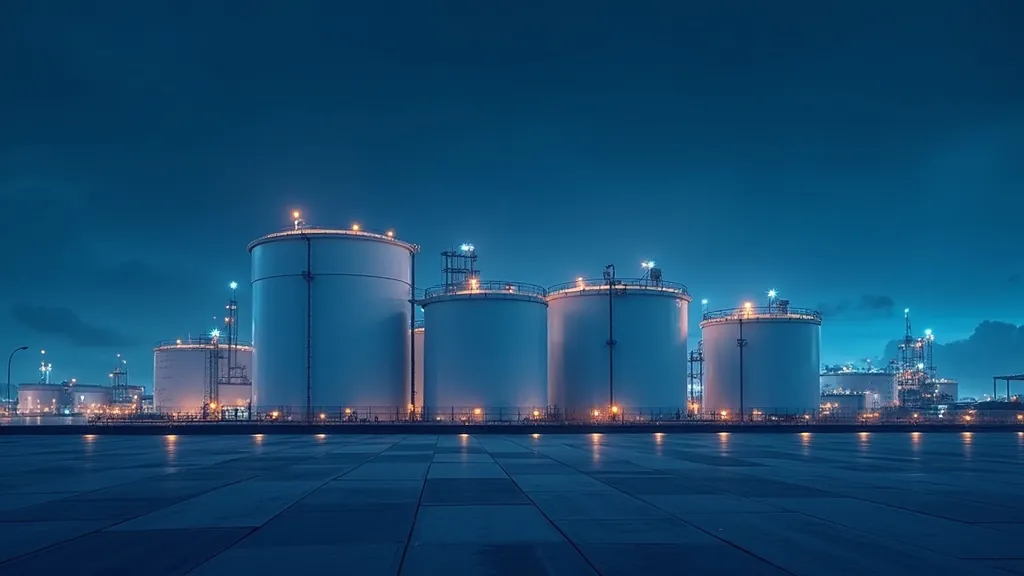
Yksittäin suurin syy on maantieto ja teollisuus. Texas on amerikkalaisen öljy- ja kaasuntuotannon sydän, koti Permian Basin ja Persianlahden rannikolla olevalle jalostamokompleksille Houstonin, Port Arthurin ja Corpus Christin ympärillä. Osavaltio jalostaa enemmän raakaöljyä kuin mikään muu maa, joten toimitusketju kaivosta, jalostamoista ja jakelu-asemaan on epätavallisen lyhyt. Vähemmän kuljetusetäisyys ja runsas paikallinen tuote tarkoittavat, että jälleenmyyjät voivat hinnoitella aggressiivisesti, ja 27 seuratua suurkaupunkialuetta osavaltion yli yleensä kilpailevat kovasti keskenään.
Verot ovat toinen puoli tarinasta. Texas määrää valtion polttoaineiden energiaveron 20 senttiä per gallona sekä bensiinille että dieselille, korko, joka ei ole muuttunut vuodesta 1991 lähtien ja on yksi maan alhaisemmista polttoaineveroksista. Pinoa liittovaltion energiavero 18,4 senttiä per gallona (24,4 senttiä dieselille) päälle, ja yhdistelmä verokuormitus on silti maltillinen verrattuna korkean veron osavaltioihin, kuten California tai Pennsylvania. Koska Texasilla ei ole valtion tulovero, saatat odottaa korkeampia polttoaineveroja kompensoida, mutta osavaltio sen sijaan luottaa myynti- ja romuveroja omasta energiasektoristaan tieliikenteen rahoitukseen.
Diesel, Premium ja Ero
Huomio, että diesel 4,288 dollarissa on kallein luokka täällä, jopa kalliimpaa kuin premium bensiini. Tämä on normaalia koko maassa juuri nyt: diesel kantaa korkeampaa liittovaltion veroa, liittyy maailmanlaajuiseen tislatujen öljytuotteiden kysyntään, ja kilpailee lämmitysöljyn ja rahdin markkinoiden kanssa. Monille kaupallisille kuorma-autoille ja maatalouksille, jotka risteävät Texasia, tämä ero on tärkeä. Premium-tavallisen välinen ero noin 85 senttiä heijastaa jalostamoa ja lisäaineita kustannuksia eikä paikallisten veroratkaisujen omituisuutta.
Kuinka Texas vertautuu sen naapureihin
Texas yleensä alittaa useimmat aluetta, vaikka muutamia osavaltioita vaihtavat paikkoja sen kanssa kuukaudesta kuukauteen. Naapuri Oklahoma on toinen energiantuottaja, joka usein julkaisee samankaltaisia matalia lukuja, kun taas Tennessee ja Indiana istuvat lähempänä kansallista pääosaa. Yhteinen säie halvimpien osavaltioiden joukossa on läheisyys jalostamokapasiteettiin ja kevyempiin verokuormiin, joista molemmat Texas nauttii runsaasti.
Mitä ohjaa päivittäisiä hinnanmuutoksia
Jopa halvassa osavaltiossa hinnat liikkuvat. Hurrikaanikausi on Persianlahden rannikolla oleva joker: yksittäinen myrsky, joka pakottaa jalostamoita pois, voi hetkellisesti nostaa Texasin hinnat kansallisen keskiarvon yläpuolelle, harvinainen tilanne, jolloin osavaltion jalostamovoima muuttuu haavoittuvuudeksi. Vuosittainen siirtymä kesäseosbensiiniksi joka kevät lisää muutaman sentin, ja raakaöljy liikkuu maailmanmarkkinoilla silti asettaen peruslinjan. Koska niin paljon tuotetta on paikallista, Texas kuitenkin yleensä toipuu hinnanpiikkeistä nopeammin kuin tuontiin riippuvaiset osavaltiot rannikoilla.
UKK
Miksi bensiini on niin halpaa Texasissa?
Texas yhdistää kansan suurimman öljy- ja kaasuntuotannon massiivisen Persianlahden rannikolla olevan jalostamokapasiteetin ja suhteellisen matalan valtion polttoaineiden energiaveron 20 senttiä per gallona. Lyhyet toimitusketjut ja raskaat vähittäiskaupan kilpailut sen 27 suurkaupunkialueiden yli pitävät tavallisen lähellä 3,31 dollaria, hyvin alle 3,867 dollarin USA:n keskiarvon.
Mikä on bensiinin vero Texasissa?
Texas veloittaa 20 senttiä per gallona valtion polttoaineiden energiaveroksi sekä bensiinille että dieselille, korko, joka ei ole muuttunut vuodesta 1991 lähtien. Liittovaltion energiaveron 18,4 senttiä (24,4 senttiä dieselille) lisääminen antaa yhdistelmäveron, joka on yksi maan alimmista.
Miksi diesel on kalliimpaa kuin bensiini Texasissa?
4,288 dollarissa per gallona diesel maksaa enemmän kuin jopa premium bensiini, koska se kantaa korkeampaa liittovaltion veroa, kilpailee maailmanlaajuisen rahdin ja lämmitysöljyn kysynnän kanssa, ja hinnoitetaan kansainvälisellä tislatujen öljytuotteiden markkinoilla. Tämä kuvio pitää paikkansa koko USA:ssa, ei vain Texasissa.