
ভার্জিনিয়ায় গ্যাস দাম: চালকরা পাম্পে যা প্রকৃতপক্ষে দিচ্ছেন
ভার্জিনিয়া চালকরা বর্তমানে নিয়মিত আনলিডেড গ্যাসের জন্য গড়ে $3.711 প্রতি গ্যালন, মিডগ্রেড প্রায় $4.232, প্রিমিয়াম $4.607 এর কাছাকাছি এবং ডিজেল মোট দামের সর্বোচ্চ প্রায় $4.827 প্রতি গ্যালন দেখছেন। এই অঞ্চলের মেট্রোপলিটন এলাকাগুলিতে গড় খুচরা পাম্প দাম, এবং মুহূর্তে ভার্জিনিয়া $3.867 নিয়মিতের জন্য মার্কিন জাতীয় গড় এর একটি স্পর্শ নিচে চলছে।
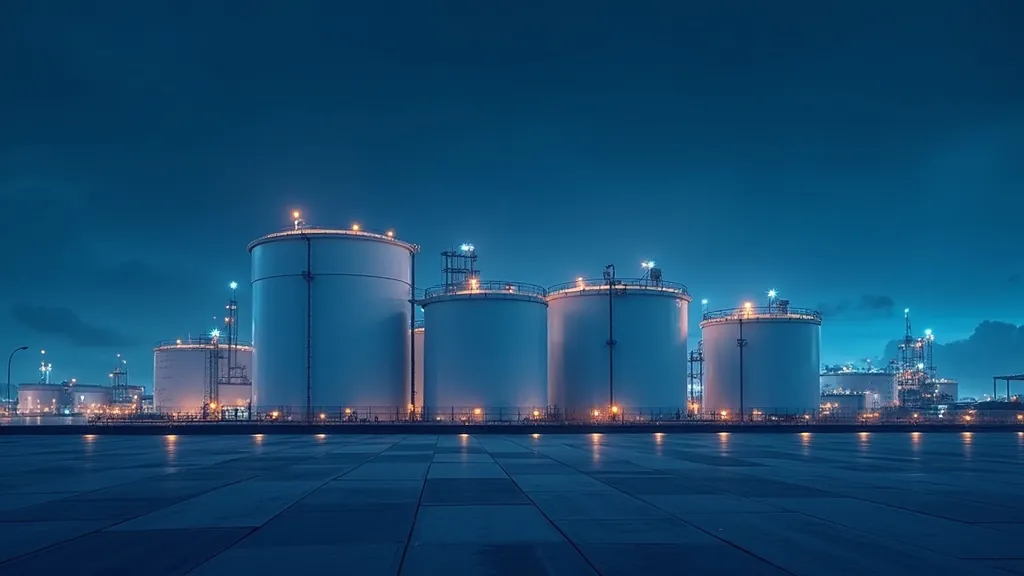
যে নিম্ন-গড় অবস্থান একটি দুর্ঘটনা নয়। ভার্জিনিয়া উপসাগর উপকূল রিফাইনারি এবং কলোনিয়াল পাইপলাইনের নৈকট্য থেকে উপকৃত হয়, বিশাল ধমনী যা টেক্সাস এবং লুইসিয়ানা থেকে পূর্বের সীবোর্ড পর্যন্ত গ্যাসোলিন এবং ডিজেল পাম্প করে। কারণ পণ্য অপেক্ষাকৃত সস্তায় ভার্জিনিয়া টার্মিনালে পৌঁছাতে পারে, অঞ্চল প্রায়ই প্রতিবেশীদের undercutting যে আরও পাইপলাইন থেকে দূরে বসে বা আরও ব্যয়বহুল সরবরাহ রুটে নির্ভর করে।
ভার্জিনিয়ার পাম্প দামগুলি কী চালিত করে
একক সবচেয়ে বড় স্থানীয় লিভার হল অঞ্চল জ্বালানী ট্যাক্স। ভার্জিনিয়া মুদ্রাস্ফীতি সূচক সূচক গ্যাসোলিন এবং ডিজেল এক্সাইজ ট্যাক্স, প্রতিটি জুলাই হার সমন্বয় করছে, তাই ট্যাক্স মেঝে সময়ের সাথে creeps এমনকি যখন তেল শান্ত হয়। যে সিট উপরে ফেডারেল এক্সাইজ ট্যাক্স 18.4 সেন্ট প্রতি গ্যালন গ্যাসোলিনে এবং 24.4 সেন্ট ডিজেল, যা ডিজেল প্রায় সর্বদা নিয়মিত উপরে একটি প্রিমিয়াম বহন করে কেন। নিয়মিত উপরে ডিজেল-থেকে-নিয়মিত ব্যবধান এক ডলার একাধিক প্রতিফলিত করে যে ভারী ফেডারেল ট্যাক্স এবং অতি-কম-সালফার পরিশোধন খরচ ডিজেল দাবি করে।
কিছু অঞ্চলের বিপরীতে, ভার্জিনিয়া ভোক্তা জ্বালানী ভর্তুকি চালায় না, তাই দাম পাইকারি বাজার সঙ্গে ভাসা। মার্কিন যুক্তরাষ্ট্র সামগ্রিকভাবে একটি নেট শক্তি রপ্তানিকারক, কিন্তু ভার্জিনিয়া নিজেই প্রায় কোন তেল উৎপাদন করে না। এটি দৃঢ়ভাবে পরিশোধিত পণ্য একটি আমদানিকারক, যা অর্থ এর দাম উপসাগর উপকূল এবং আটলান্টিক স্পট বাজার ট্র্যাক বরং কোন homegrown সরবরাহ। মুদ্রা বিদেশী উপায় এটি একটি ফ্যাক্টর নয়: সবকিছু মার্কিন ডলার মূল্য, তাই বিনিময় হার wildcard নেই মুদ্রাস্ফীতি বা সংখ্যা প্রশমন।
জিওগ্রাফি অভ্যন্তরে অঞ্চল গুরুত্বপূর্ণ খুব। উত্তরী ভার্জিনিয়া, ওয়াশিংটন যাত্রীর বেল্ট অভ্যন্তরে, উচ্চ সংখ্যা পোস্ট করার জন্য থাকে গ্রামীণ দক্ষিণ পশ্চিম চেয়ে, আংশিক কারণ উচ্চতর বাস্তব সম্পত্তি এবং শ্রম খরচ স্টেশনে এবং আংশিক কারণ প্রধান metros কাছাকাছি আঞ্চলিক জ্বালানী ব্লেন্ড প্রয়োজনীয়তা। 12টি মেট্রো এলাকা ট্র্যাক করা এখানে এক অঞ্চলব্যাপী চিত্রে যে sways মসৃণ।
ভার্জিনিয়া এর প্রতিবেশী তুলনা কীভাবে করে
ভার্জিনিয়া সাধারণত পূর্ব উপকূল সস্তা অর্ধেক ভূমি। এর সরাসরি প্রতিবেশী মেরিল্যান্ড সাধারণত উচ্চতর পাম্প দাম পোস্ট ধন্যবাদ একটি steeper অঞ্চল ট্যাক্স এবং tighter আঞ্চলিক মিশ্রণ, যখন আশেপাশে ডেলাওয়্যার নির্দিষ্ট গ্রেড সস্তা চালাতে পারেন। আরও দূরে দেখেন এবং বৈসাদৃশ্য তীক্ষ্ণ করে: কলোরাডো এবং দক্ষিণ ডাকোটা উভয়ই অভ্যন্তরীণ পশ্চিম এবং প্লেইনে বসে, যেখানে সরবরাহ লজিস্টিক এবং ঋতুভিত্তিক ব্লেন্ড নিয়ম সম্পূর্ণ ভিন্ন নির্দেশনা দাম টান করতে পারেন।
ব্যবহারিক takeaway: ভার্জিনিয়া জ্বালানী খরচ একটি অপেক্ষাকৃত বন্ধুত্বপূর্ণ অঞ্চল, কিন্তু বার্ষিক জুলাই ট্যাক্স ইনডেক্সিং এবং কলোনিয়াল পাইপলাইন ব্যাঘাত সবচেয়ে সম্ভবত দাম আপ ঠেলে দুটি জিনিস। চালকরা অঞ্চল লাইন জুড়ে একটি রাস্তা ট্রিপ পরিকল্পনা করছেন প্রায়ই topping উচ্চতর ট্যাক্স প্রতিবেশীদের অনেক সংরক্ষণ করতে পারেন সীমান্ত অতিক্রম করার আগে উত্তর।

প্রায়োজনীয়
ভার্জিনিয়ায় ডিজেল গ্যাসের চেয়ে কত বেশি ব্যয়বহুল?
ভার্জিনিয়ায় ডিজেল নিয়মিত $3.711 বনাম $4.827 এ গড়, এক ডলার একাধিক ব্যবধান। ফেডারেল এক্সাইজ ট্যাক্স ডিজেল উপরে উচ্চতর (24.4 বনাম 18.4 সেন্ট), এবং ডিজেল অতি-কম-সালফার মান পরিশোধিত করা আবশ্যক। শক্তিশালী বছর-রাউন্ড ট্রাকিং এবং পরিবহন চাহিদা এমনকি যখন গ্যাসোলিন softens ডিজেল দৃঢ় রাখে।
ভার্জিনিয়ায় গ্যাস দাম মার্কিন গড় চেয়ে সস্তা?
হ্যাঁ, সামান্য। ভার্জিনিয়ার নিয়মিত আনলিডেড গড় $3.711, নিম্নতর মার্কিন জাতীয় গড় $3.867। অঞ্চল কলোনিয়াল পাইপলাইন অ্যাক্সেস উপসাগর উপকূল সরবরাহ থেকে যা পাইকারি খরচ নিচে রাখতে সাহায্য করে যে পাইপলাইন থেকে দূরে অঞ্চল তুলনায়।
ভার্জিনিয়া গ্যাস দাম উপরে যায় কি করে তোলে?
দুটি প্রধান ট্রিগার: অঞ্চল জ্বালানী এক্সাইজ ট্যাক্স, মুদ্রাস্ফীতি সূচক এবং প্রতিটি জুলাই সমন্বয়, এবং কলোনিয়াল পাইপলাইন ব্যাঘাত। কারণ ভার্জিনিয়া প্রায় কোন তেল উৎপাদন তার নিজের, এটি ও ট্র্যাক উপসাগর উপকূল এবং আটলান্টিক পাইকারি স্পট দাম, অতএব জাতীয় তেল সুইং সরাসরি পাম্প মাধ্যমে খাওয়ান।