
Brandstofpryse in Sri Lanka: Wat Bestuurders werklik by die Pomp Betaal
Vanaf laat Junie 2026 kos 'n liter petrol in Sri Lanka ongeveer $1.478 (ruwweg 497.6 LKR), wat nagenoeg $5.59 per VSA-gallon uitwerk. Diesel is 'n bietjie goedkoper op $1.427 per liter. Dat plaas Sri Lanka byna presies op die wêreld-middelste punt: die wêreldgemiddelde is $1.484 per liter, en die land rang 81ste van 170 gevolg markte. Met ander woorde, Sri Lankërs betaal naby wat die gemiddelde globale bestuurder betaal, ondanks die eiland wat byna al sy ruolie invoer.
Waarom Sri Lanka Byna al Sy Brandstof Invoer
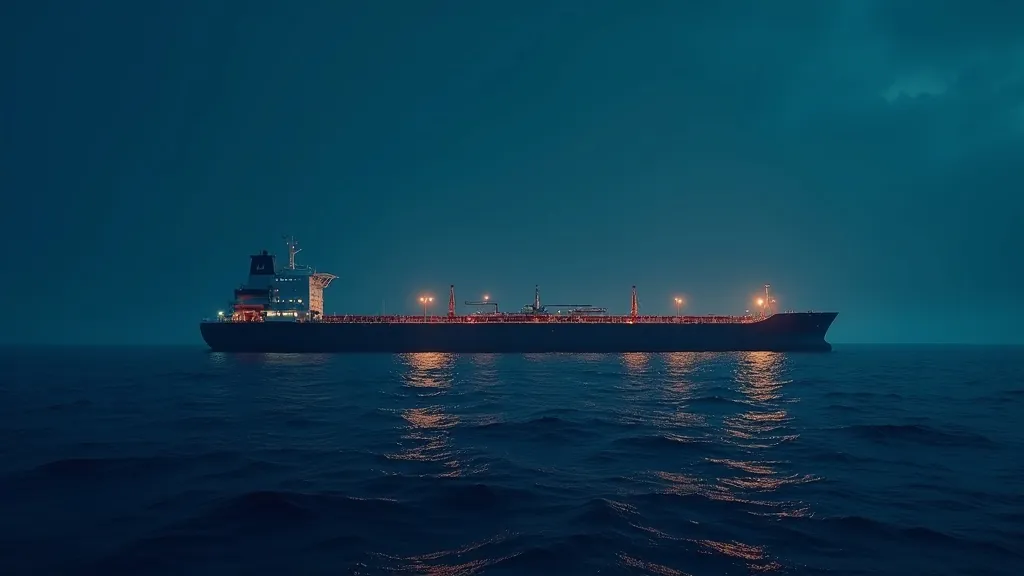
Sri Lanka het geen beduidende binnelandse ruolieproduksie. Dit bedryf 'n enkele verouderde raffinadery by Sapugaskanda maar steun steeds oorwelmend op ingevoerde verfynde produkte en ruolie, betaal in VSA-dollars. Daardie invoer-afhanklikheid is die enkele grootste krag op pompryse: wanneer die Sri Lankaanse rupee swak word teen die dollar, styg die koste van elke tenker onmiddellik, en dit vloei reguit na die pomp. Die land se 2022-ekonomiese krisis — soewereine verstek, brandstofwagtrye en 'n instortende rupee — is presies waarom die historiese pryshoopte op daardie tydstip beland het.
Belastings, Subsidies en die Prysformule
Kleinhandelspryse in Sri Lanka word deur 'n bestuurde prysmekhanisme in plaats van 'n vrye daaglikse mark bepaal. Gelaag bo-op die gelandingskoste van invoer is aksynsduttigde, belastingwaarde (BTW) en verskeie heffings, terwyl die staatseienaarskapte Ceylon Petroleum Corporation (CPC) langs private invoerders medeïng. Vir jare het regerings pryse met subsidies en prysvriesings gesoet — 'n politiek gewilde skuif wat CPC met groot skuld verlaat het. Onder die IWF-program wat die 2022-krisis gevolg het, is dié benadering grotendeels verlaat ten gunste van 'n koste-reflektiewe formule, wat beteken dat pryse nou invoerkoste en die wisselkoers baie eerlik volg as voorheen.
Die Lank-Termyn Tendens
Die geskiedenis vertel 'n dramatiese verhaal. Die laag was $0.38 op 11 Julie 2016 — 'n periode van goedkoop globale ruolie en 'n sterker rupee. Die hoogte was $1.633 op 27 Junie 2022, op die hoogtepunt van die valutausturting en globale pryshoë. Vandag se $1.478 sit ver onder daardie krisisshoopte maar is steeds byna dubbel die dekade-gemiddelde, wat beide 'n permanent swakker rupee en die verskuiwing na koste-reflektiewe pryse weerspieël. Die kernel: Sri Lankaanse brandstof is nie meer kunsmaties goedkoop nie, maar dit het sedert die chaos van 2022 gestabiliseer.
Hoe Sri Lanka Vergelyk
Omdat Sri Lanka se pryse die wêreldgemiddelde opvolg, land dit in interessante geselskap. Dit is duurder as brandstof-subsidiëringf of lae-belasting markte en goedkoper as swaar-belaste Europese ekonomieë. Streek-buurland Thaïland bied 'n nuttige kontras tussen Asiatiese invoerders, terwyl Armenië wys hoe nog 'n klein invoer-afhanklike ekonomie koste bestuur. Vergeleken met Afrikaanse invoerders soos Mosambiek of Burkina Faso, onderstreep Sri Lanka se mid-tafel-posisie hoe wisselkoers-stabiliteit net soveel saak as ruoliepryse. Jy kan die volle prentjie op ons wêreld-brandstofpryse bladsy sien.
Gereelde vrae
Hoeveel kos 'n liter petrol in Sri Lanka?
'n Liter petrol kos ongeveer $1.478, of ruwweg 497.6 LKR, vanaf Junie 2026. Dit is ongeveer $5.59 per VSA-gallon, byna presies die wêreldgemiddelde van $1.484 per liter.
Waarom is brandstofpryse in Sri Lanka so hoog?
Sri Lanka voer byna al sy brandstof in en betaal daarvoor in VSA-dollars, dus duw 'n swak rupee pryse op. Aksynsduttigde, BTW en heffings voeg verdere koste by, en aangesien die 2022-krisis pryse 'n koste-reflektiewe formule volg eerder as deur te word subsidieer.
Is brandstof nou goedkoper as gedurende die 2022-krisis?
Ja. Die alles-tyd-hoogte was $1.633 per liter op 27 Junie 2022, tydens die valutausturting en brandstoftekorte.